
The maritime industry loves to frame digital transformation as a technology problem. When asked why adoption lags behind, vessel operators point to legacy software, limited satellite bandwidth or the bewildering pace of artificial intelligence. But let us be honest: shipping isn’t behind because of technology. It is behind because of behaviour.
The tools required to modernise the fleet exist today; high-fidelity digital twins, predictive analytics and sophisticated AI models are mature, commercially viable and already deployed globally in other sectors. If your organisation is holding out for “better AI” before making a move, you are missing the point. Across every capital-intensive industry, the deciding factor in digital transformation has never been the algorithm. It has always been leadership, culture and a genuine willingness to challenge established ways of working.
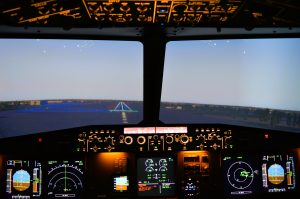
To bridge this gap, shipping needs to look at industries that faced these exact operational and safety hurdles years ago. Aviation, in particular, offers practical lessons in how leadership and cultural alignment turn raw tech into standard operating procedure.
Redesign workflows instead of digitising paperwork
A common trap in maritime tech implementation is taking a paper process, whether a noon report, a safety checklist or a maintenance log, and shoving it onto a tablet screen. This does not transform anything. It simply digitises bureaucracy and adds extra administrative overhead for crews.
Real digital progress requires leaders to strip down and rebuild workflows from scratch so technology actively lightens the workload. AI and automation should eliminate steps, not create new ones.
Consider how aviation handled the transition from massive paper flight kits to iPads under FAA regulatory frameworks for electronic flight bags. When airlines like Delta replaced 18kg (40lb) bags of charts, they did not just upload PDFs. They rebuilt the cockpit workflow. Digital charts were linked directly to real-time weather feeds, automated performance calculations and dynamic fuel management systems. By rethinking the process rather than copying paper habits, they cut pre-flight prep times, trimmed fuel burn and eliminated manual data entry.
Standardisation beats customisation
Shipping companies often insist their operations are entirely unique. Yet insistence on custom-built, bespoke software for isolated fleets creates fragmented data silos that render AI useless. Standardised platforms win every time.
Equally, algorithms are worthless if crew members and superintendents onshore do not trust the data fed into them. People embrace change long before organisations do, and data only creates value when operational teams trust it enough to guide daily decisions.
Look at how Airbus approached this with its Skywise platform. Rather than letting individual airlines build proprietary predictive maintenance tools, Airbus partnered with Palantir to establish a standardised data architecture across hundreds of operators, including easyJet. By standardising how sensor telemetry and maintenance logs were structured, airlines gained deep predictive capabilities that prevented unscheduled groundings. Trust grew because the industry built a shared, reliable data foundation instead of chasing fragmented bespoke tool.
Culture will always trump code
Technology never adopts itself. Without a leadership team that rewards experimentation, tolerates sensible failure and invests heavily in training, teams will default to legacy habits out of self-preservation.
Aviation learnt decades ago that automated systems are only as effective as the culture surrounding them. Leadership must build an environment where digital data is used to improve performance, not to police people.
Aviation’s safety record relies heavily on Flight Operational Quality Assurance (FOQA) programmes, backed by Crew Resource Management (CRM) principles developed by NASA and the FAA. FOQA continuously analyses flight recorder data to spot operational risks. But this data only became useful when airlines instituted a non-punitive reporting culture. Pilots were not penalised for mistakes revealed by telemetry; instead, the data was used to identify flaws in training or procedures. That psychological safety turned raw data into an invaluable tool for risk reduction.
The leadership test
If maritime is to realise the potential of AI and digital tools, executives must stop viewing technology as an IT department project.
Shipping does not need to copy aviation wholesale. However, it must accept a fundamental truth: the hardest part of digital transformation has never been the technology itself. Across every global industry, success comes down to leadership, culture and the courage to stop doing things simply because “that’s how we’ve always done it.”
——–
Words by Robert Platt, Image credit: pixabay.com
Like this article? Click here to sign up for our free monthly ‘De-Mystifying Digitalisation and AI in Maritime’ newsletter and get the latest cross-sector expert insights, news, interviews, videos and case studies straight to your inbox. You can also buy a ticket to the Demystifying AI in Maritime 2026 London Summit here.